Clean Energy Civil Construction: Building the Infrastructure Behind Renewable Energy
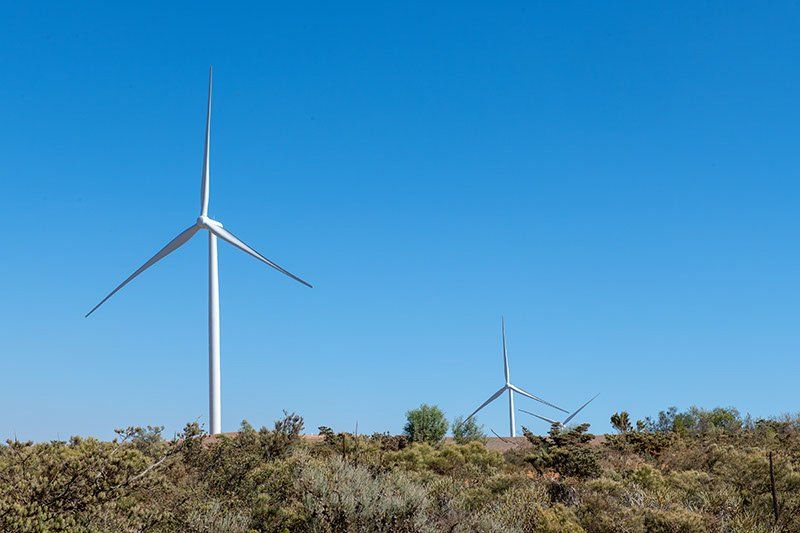
Australia's transition to a cleaner energy future is driving significant investment in renewable energy infrastructure. From large-scale solar farms and battery energy storage systems to wind farms and transmission infrastructure, clean energy projects are transforming the way energy is generated, stored and delivered.
While the technology behind these projects often takes centre stage, every successful renewable energy development relies on something fundamental: strong civil construction.
Before solar panels can generate power, batteries can be commissioned or wind turbines can be installed, the site needs to be prepared and the supporting infrastructure built. This can include earthworks, access roads, drainage, foundations, concrete works, trenching and underground services.
For clean energy developers and contractors, selecting the right civil construction partner is an important part of delivering a project safely, efficiently and to a high standard.
At Vernice, we understand the critical role that civil construction plays in renewable energy infrastructure. We work with project teams to help deliver the civil works that provide the foundation for Australia's growing clean energy network.
What Is Clean Energy Civil Construction?
Clean energy civil construction refers to the civil works required to develop, support and connect renewable energy and energy storage infrastructure.
These works can vary significantly depending on the type, scale and location of a project, but may include:
- Bulk earthworks and site preparation
- Access roads and internal haul roads
- Crane hardstands and laydown areas
- Drainage and stormwater infrastructure
- Concrete foundations and slabs
- Equipment pads and structural foundations
- Excavation and trenching
- Underground services
- Cable trenches and conduits
- Substation and switchyard civil works
- Erosion and sediment control
- Site rehabilitation and reinstatement
Civil construction is often one of the earliest stages of a clean energy development and can have a direct impact on the project's overall construction program.
When civil works are delivered efficiently and coordinated effectively with other project disciplines, they help create a reliable foundation for the electrical, mechanical and structural components that follow.
Civil Construction for Solar Farms
Large-scale solar farms are an important part of Australia's renewable energy landscape. However, developing a solar farm requires much more than installing photovoltaic panels.
Before construction can progress, the site may require extensive earthworks and preparation to create suitable conditions for solar arrays, inverters, transformers and other infrastructure.
Solar farm civil works may include:
- Site clearing and preparation
- Bulk earthworks and grading
- Internal access roads
- Drainage and stormwater management
- Equipment foundations and concrete pads
- Inverter and transformer foundations
- Cable trenching and underground services
- Temporary construction access
- Erosion and sediment controls
- Site rehabilitation
The scale of a solar farm can create unique logistical and construction challenges. Projects may cover large areas and involve significant volumes of material movement, while construction teams must also manage environmental requirements, ground conditions, access and drainage.
Experienced civil construction contractors can help developers and principal contractors address these challenges through careful planning, efficient construction methodologies and strong coordination across the project.
Civil Construction for Battery Energy Storage Systems
Battery energy storage systems (BESS) are becoming an increasingly important component of Australia's evolving energy infrastructure.
BESS facilities allow energy to be stored and dispatched when required, helping support the integration of renewable energy into the electricity network.
From a civil construction perspective, battery storage projects can involve a range of specialised works, including:
- Site preparation and earthworks
- Access roads and hardstands
- Concrete slabs and equipment foundations
- Battery container foundations
- Drainage and stormwater infrastructure
- Cable trenches and underground services
- Equipment pads
- Substation and electrical infrastructure support
BESS projects also require close coordination between civil, electrical and mechanical contractors. Civil works need to be delivered accurately and efficiently to ensure that the site is ready for the installation of battery systems and associated electrical equipment.
For developers and EPC contractors, having a civil construction partner who understands these project interfaces can help minimise delays and support a more efficient construction program.
Wind Farm Civil Construction and Infrastructure
Wind farms present a different set of civil construction requirements, often involving large-scale infrastructure across remote or regional locations.
One of the key challenges is providing suitable access for the transportation of oversized and heavy components. Turbine blades, towers and other equipment can require specialised transport routes and significant upgrades to existing infrastructure.
Wind farm civil construction may involve:
- New and upgraded access roads
- Heavy vehicle haul routes
- Bridge and culvert upgrades
- Crane hardstands
- Turbine foundations
- Bulk earthworks
- Drainage infrastructure
- Temporary construction facilities
- Site rehabilitation
The construction of turbine foundations and crane hardstands requires careful planning and execution, while access infrastructure must be capable of supporting the significant loads associated with wind farm construction.
With many wind projects located in challenging environments, effective civil construction planning is essential to managing logistics, ground conditions and environmental constraints.
Transmission Infrastructure: Connecting Renewable Energy to the Grid
Generating renewable energy is only part of the challenge. That energy also needs to be connected to the electricity network.
As Australia's renewable energy generation capacity grows, investment in transmission infrastructure is becoming increasingly important.
Transmission and grid connection projects can involve civil works associated with:
- Substations and switchyards
- Access roads
- Equipment foundations
- Cable trenching
- Underground services
- Drainage
- Earthworks
- Construction compounds and laydown areas
These projects often involve complex interfaces between civil, electrical and specialist contractors. Effective coordination is therefore critical to ensuring that civil infrastructure is delivered in line with the broader project schedule.
For clean energy developers and principal contractors, working with a civil construction partner who can integrate effectively into a complex project environment can provide significant value.
Why Civil Construction Matters to Clean Energy Projects
Civil construction can influence the safety, efficiency, cost and schedule of a renewable energy project.
Poor site access, unexpected ground conditions, inadequate drainage or delays to foundations and underground infrastructure can create flow-on impacts across the wider construction program.
By addressing civil requirements early, project teams can identify potential risks and develop practical solutions before construction is underway.
Early civil construction planning can help with:
- Understanding site and ground conditions
- Planning access and logistics
- Identifying earthworks requirements
- Coordinating drainage and water management
- Managing environmental constraints
- Planning material movement
- Coordinating civil and electrical interfaces
- Supporting overall project scheduling
This is why civil construction should be considered an integral part of renewable energy project planning—not simply a preliminary construction phase.
Building Clean Energy Infrastructure Responsibly
Renewable energy projects are helping shape a more sustainable future, but the construction of this infrastructure must also be approached responsibly.
Clean energy civil construction projects can involve sensitive environments, large-scale earthworks and significant construction activity. Effective environmental management is therefore essential.
Depending on the project, this may include managing:
- Erosion and sediment
- Dust and noise
- Stormwater and drainage
- Vegetation and sensitive areas
- Construction traffic
- Waste and material management
- Site rehabilitation
A strong approach to safety, quality and environmental management helps ensure that renewable energy infrastructure is delivered responsibly and built to perform over the long term.
Choosing the Right Civil Construction Partner
Clean energy projects bring together multiple stakeholders, contractors and specialist disciplines. The civil construction contractor is an important part of this delivery team.
When selecting a civil construction partner for a renewable energy project, developers and contractors should consider:
- Experience: Does the contractor understand the requirements of large-scale infrastructure and complex construction environments?
- Capability: Can they deliver the required scope of earthworks, roads, drainage, foundations and underground infrastructure?
- Coordination: Can they work effectively with developers, engineers, EPC contractors and other specialist trades?
- Safety and quality: Do they have robust systems for managing safety, quality and project delivery?
- Adaptability: Can they respond effectively to changing site conditions and project requirements?
The right partner can help reduce construction risks, improve coordination and contribute to a more efficient project delivery process.
Supporting Australia's Clean Energy Future
The growth of solar farms, battery energy storage systems, wind farms and transmission infrastructure represents a significant opportunity for Australia's construction and infrastructure sectors.
As investment in clean energy continues, the demand for capable civil construction contractors will grow alongside it.
At Vernice, we understand that the success of a renewable energy project depends on the infrastructure beneath and around the technology. From site preparation and earthworks to access roads, drainage, foundations and supporting infrastructure, quality civil construction helps create the conditions for clean energy projects to succeed.
Whether you're developing a solar farm, planning a battery energy storage project, delivering a wind farm or working on transmission infrastructure, having an experienced civil construction partner can make a meaningful difference to project delivery.
Planning a Clean Energy Project?
If you're a clean energy developer, EPC contractor or principal contractor looking for a civil construction partner, Vernice would welcome the opportunity to discuss your project requirements.
From early works and site preparation through to major civil infrastructure, our team can work with your project team to understand the scope, identify construction requirements and deliver practical civil solutions.
Talk to Vernice about your clean energy project.
Contact our team today to discuss your upcoming solar farm, battery energy storage, wind farm or transmission infrastructure project and explore how Vernice can support your civil construction requirements.
Ready to build the infrastructure behind Australia's clean energy future? Get in touch with Vernice today.
Share this post
Recent posts