Environmental Challenges within Civil Projects
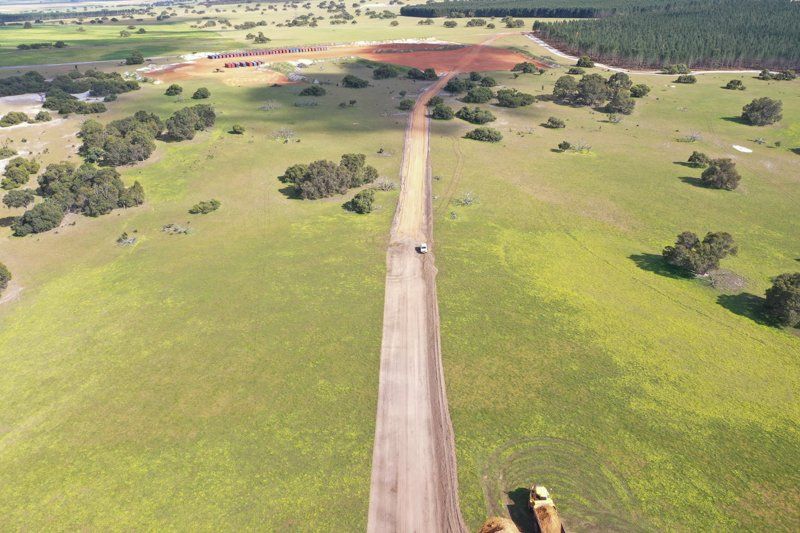
Major civil construction projects are essential to building the infrastructure communities and industries rely on. From roads and renewable energy projects to utilities and large-scale infrastructure developments, these projects can deliver significant long-term benefits.
However, construction activities can also present environmental challenges that need to be carefully managed throughout the project lifecycle.
Earthworks, excavation, vehicle movements, material handling and site preparation can all have an impact on the surrounding environment. Effective environmental management is therefore an important part of responsible civil construction and successful project delivery.
For project developers, principal contractors and infrastructure clients, working with a civil construction contractor that understands these challenges can help reduce environmental risks, maintain compliance and support a smoother construction process.
At Vernice, we recognise that responsible construction means considering the environment at every stage of a project—from early planning and site preparation through to construction and final rehabilitation.
What Are the Key Environmental Challenges in Civil Construction?
Every construction site is different, and environmental risks will depend on factors such as location, project scale, ground conditions, weather and the surrounding environment.
Some of the most common environmental challenges on major civil construction sites include:
- Erosion and sediment movement
- Stormwater and water management
- Dust and air quality
- Noise and vibration
- Vegetation and habitat protection
- Construction waste and material management
- Soil contamination and unexpected ground conditions
- Fuel and chemical spills
- Traffic and vehicle impacts
- Site rehabilitation
Identifying these risks early allows project teams to develop practical management strategies and incorporate environmental controls into the construction methodology.
Erosion and Sediment Control
Large-scale civil construction projects often involve significant earthworks. When soil is disturbed, it can become vulnerable to erosion, particularly during periods of heavy rainfall.
If not properly managed, sediment can be transported from construction areas into nearby drainage systems, waterways or sensitive environments.
Effective erosion and sediment control measures may include:
- Stabilising exposed surfaces
- Installing sediment fencing
- Managing site drainage
- Using sediment basins where required
- Protecting stockpiled materials
- Constructing temporary diversion drains
- Rehabilitating disturbed areas progressively
- Monitoring controls throughout construction
The most effective approach is often to plan erosion and sediment controls before earthworks begin and maintain them throughout the project.
Controls should also be inspected regularly, particularly following significant rainfall events, to ensure they remain effective as site conditions change.
Managing Water and Stormwater
Water management is another important consideration on major civil construction sites.
Construction activities can change natural drainage patterns and increase the amount of exposed soil across a site. Without effective planning, rainfall can create erosion, flooding or sediment movement.
Depending on the project, water management strategies may involve:
- Temporary and permanent drainage systems
- Diversion drains
- Sediment basins
- Water quality monitoring
- Controlled discharge
- Dust suppression
- Dewatering management
- Protection of nearby waterways
Good water management requires close coordination between the design, engineering and construction teams. Understanding how water moves across a site can help project teams identify potential risks before construction begins.
Dust and Air Quality
Dust is a common challenge on civil construction projects, particularly during large-scale earthworks, excavation and material transport. Excessive dust can affect workers, nearby communities, surrounding properties and the environment.
Practical dust management measures can include:
- Watering active work areas
- Managing vehicle speeds
- Covering or stabilising stockpiles
- Planning haul routes
- Using appropriate construction methodologies
- Monitoring conditions during dry and windy weather
Effective dust management is not only about responding when dust becomes an issue. It involves anticipating conditions and adjusting construction activities as required.
For major projects, proactive planning can help minimise disruption while maintaining productivity and safety on site.
Protecting Vegetation and Sensitive Environments
Many civil construction projects are delivered in areas where existing vegetation, wildlife habitats or environmentally sensitive areas need to be protected.
Before construction begins, project teams may need to identify areas that should be avoided or protected throughout the works.
Environmental management strategies may include:
- Clearly defining construction boundaries
- Establishing exclusion zones
- Protecting retained vegetation
- Managing vehicle access
- Minimising unnecessary ground disturbance
- Controlling weeds and invasive species
- Progressive rehabilitation
Clear communication between site personnel, environmental specialists and project management teams is essential to ensuring that environmental requirements are understood and followed throughout construction.
Construction Waste and Material Management
Major civil construction projects can involve significant quantities of soil, rock, concrete, asphalt and other materials. Effective material management can help reduce waste, improve resource efficiency and minimise the environmental impact of construction activities.
Where practical, project teams may consider:
- Reusing suitable excavated materials
- Recycling construction materials
- Separating waste streams
- Reducing unnecessary material handling
- Planning material quantities carefully
- Using suitable materials from approved sources
- Managing stockpiles appropriately
Good material planning can also deliver practical project benefits by reducing transport requirements and improving construction efficiency.
Managing Spills and Hazardous Materials
Construction sites may involve the use of fuels, oils, lubricants and other substances that can pose environmental risks if they are accidentally released. Spill prevention and response procedures are therefore an important part of effective environmental management.
These measures may include:
- Appropriate storage of fuels and chemicals
- Spill response equipment
- Clearly defined emergency procedures
- Regular equipment inspections
- Staff training and awareness
- Appropriate disposal of contaminated materials
Preparing for potential incidents before they occur can help minimise environmental impacts and enable project teams to respond quickly when an issue arises.
Environmental Management Starts With Planning
One of the most effective ways to manage environmental challenges is to consider them early.
Environmental risks should be assessed during project planning and incorporated into construction methodologies, site management plans and project schedules.
Early planning can help teams identify:
- Potential environmental constraints
- Sensitive areas
- Soil and ground conditions
- Drainage requirements
- Water management risks
- Access limitations
- Rehabilitation requirements
This allows environmental controls to be integrated into the project rather than treated as an afterthought.
For developers and principal contractors, early collaboration between civil construction teams, engineers, environmental specialists and other project stakeholders can help identify practical solutions before construction begins.
Environmental Management and Project Delivery
Environmental management and construction efficiency are often closely connected. Well-planned environmental controls can help prevent delays caused by uncontrolled erosion, sediment movement, access issues or unexpected environmental incidents.
They can also support better site organisation, reduce material waste and improve communication between project teams. The goal is not simply to meet environmental requirements. It is to integrate environmental management into the way a project is planned and delivered.
This approach can help create a construction environment where safety, quality, productivity and environmental responsibility work together.
Progressive Rehabilitation and Leaving Sites Responsibly
For many civil construction projects, environmental responsibility continues after the main construction activities are complete. Progressive rehabilitation can help reduce the amount of disturbed land remaining at any one time and support the restoration of areas that are no longer required for construction.
Depending on the project, rehabilitation may involve:
- Regrading disturbed areas
- Replacing topsoil
- Stabilising exposed surfaces
- Revegetation
- Removing temporary infrastructure
- Restoring drainage
- Monitoring rehabilitated areas
Planning rehabilitation early can help project teams understand the full lifecycle of the works and ensure that environmental outcomes are considered from the beginning.
Choosing a Civil Construction Partner With Environmental Responsibility
Environmental management is a shared responsibility across a construction project, but the civil contractor plays an important role in delivering the works in a responsible and controlled manner.
When selecting a civil construction partner, project owners and principal contractors should consider their approach to:
- Environmental risk management
- Erosion and sediment control
- Water management
- Dust suppression
- Waste management
- Site rehabilitation
- Safety and quality
- Communication and reporting
A contractor that understands the environmental challenges associated with civil construction can contribute to better project outcomes while helping protect the surrounding environment.
Building Responsibly for the Future
Major civil construction projects play an important role in Australia's future. Whether delivering renewable energy infrastructure, transport projects, utilities or other critical infrastructure, the work undertaken today can have a lasting impact on communities and the environment. Responsible environmental management is therefore an essential part of modern civil construction. By identifying environmental risks early, implementing practical controls and maintaining a proactive approach throughout construction, project teams can help deliver infrastructure that meets today's needs while considering the environment for the future.
At Vernice, we understand that successful civil construction is about more than completing the physical works. It is about delivering projects safely, responsibly and with consideration for the environments in which we operate.
Planning a Major Civil Construction Project?
If you're a project developer, principal contractor or infrastructure client planning a major civil construction project, having the right delivery partner can help you manage the challenges that come with complex construction environments. Vernice works with project teams to deliver civil construction solutions with a focus on safety, quality, environmental responsibility and reliable project delivery.
Planning your next civil construction project? Talk to the Vernice team about your requirements.
Get in touch with Vernice to discuss your upcoming project and find out how our team can support your civil construction and environmental management requirements.
Share this post
Recent posts